
Early Recognition and Treatment of Peripheral Artery Disease
A free panel for clinicians and patients on spotting peripheral artery disease early and guiding the right referrals, featuring a vascular surgeon, a primary care physician, and an interventionist.
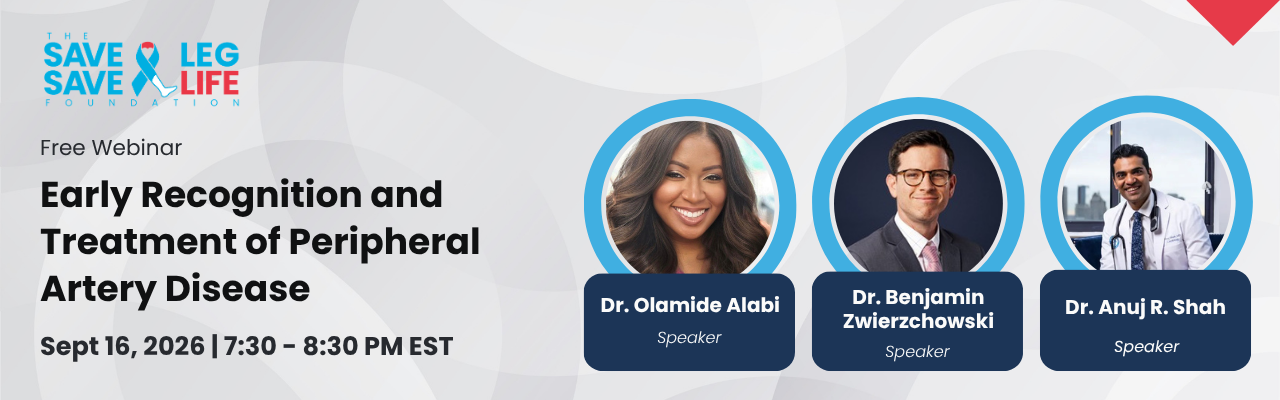
What you will learn
Recognize PAD early
Describe the early warning signs, risk factors, and primary care assessment methods for peripheral artery disease.
Screen alongside co-morbidities
Understand why PAD screening and early education matter when managing related conditions like diabetes and heart disease.
Refer with confidence
Discuss revascularization options and effective referral processes for specialist care.
Your speakers

Dr. Olamide Alabi
Associate Professor of Surgery at Emory University School of Medicine and a board-certified vascular and endovascular surgeon at Emory University Hospital. She serves as Chief Quality Officer of Emory's Division of Vascular Surgery and Endovascular Therapy and President of the Society of Black Vascular Surgeons, with research focused on improving quality, equity, and outcomes for people with peripheral artery disease.
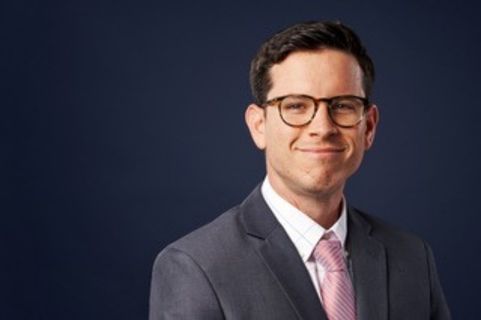
Dr. Benjamin Zwierzchowski
Family medicine physician with Buffalo Medical Group, where he chairs quality improvement on the board of directors. He completed his medical training in Western New York and served as physician site ambassador for the Save A Leg, Save A Life community screening event in May 2026, leading multidisciplinary efforts to reduce health disparities and expand access to care.

Dr. Anuj R. Shah
Cardiovascular and endovascular specialist and Founder and Executive Director of Apex Heart and Vascular Care, with more than a decade pioneering minimally invasive treatments. He holds seven board certifications, including Interventional Cardiology, Vascular Medicine, and Endovascular Therapy, with a focus on early diagnosis and prevention in people with diabetes and PAD.
Reserve your seat.
This live session is free and open to all. Register now and Zoom will send you the join link.
This information is for educational purposes only and is not intended to replace professional medical advice. Always consult your healthcare provider.