
Enhancing Patient Care in PAD: A Micro and Macro Assessment Approach
A clinical deep-dive into assessing peripheral arterial disease at both the macrovascular and microvascular level. Karen Bauer, DNP, M. Mark Melin, MD, and Dr. Matthew Regulski examine perfusion assessment, the endothelial glycocalyx, and how a fuller picture of circulation improves limb-salvage decisions.
What you will take away
See both scales of perfusion
Compare macrovascular and microvascular assessment and what each reveals about a limb at risk.
Understand the microcirculation
Explore the role of the endothelial glycocalyx and wound-level factors that large-vessel studies can miss.
Apply findings to care
Translate a fuller assessment into clearer, evidence-based limb-salvage decisions.
Your speakers

Karen Bauer, DNP, APRN
Wound board-certified nurse practitioner and Director of Wound and Vascular Services at UToledo. With seventeen years as a wound NP focused on limb salvage and more than five years in vascular surgery, she leads a team of advanced practice providers in the Division of Vascular, Endovascular, and Wound Surgery.
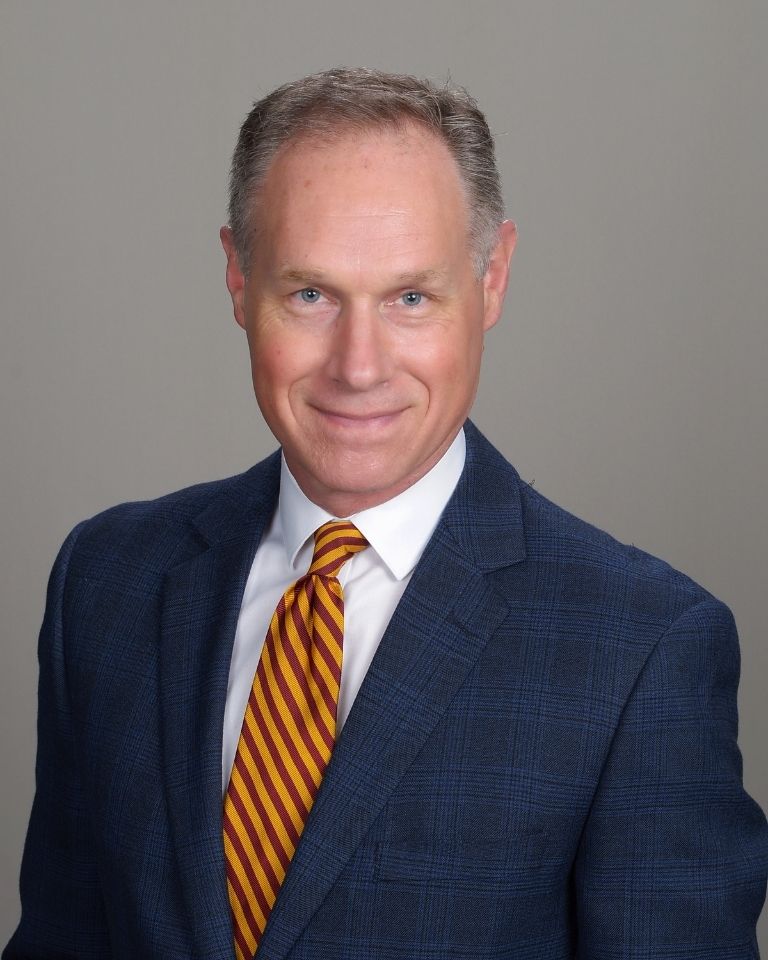
M. Mark Melin, MD, FACS, RPVI, FACCWS
Medical Director of the Gonda Vascular Center Wound Clinic and immediate past Medical Director of the M Health Wound Healing Institute. His focus areas include lymphedema, the endothelial glycocalyx, micronutrient wound care, biofilm and wound pH management, and emerging wound technologies.
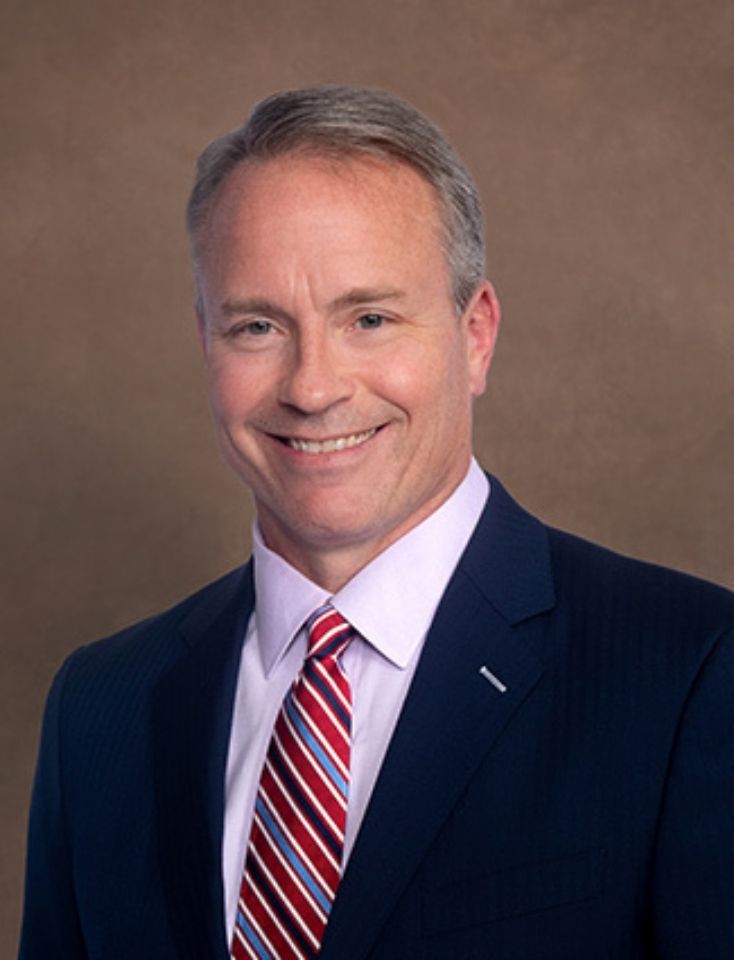
Dr. Matthew Regulski, DPM, FFPM RCPS (Glasgow)
Medical Director of the Wound Institute of Ocean County, New Jersey, and in practice for more than twenty years. Double board-certified in diabetic wound healing and limb salvage, he has been principal investigator on more than twenty randomized controlled trials and authored over one hundred peer-reviewed articles.
Watch the full session
Enter your name and email to unlock the recording. We will send you future SALSAL sessions and limb-preservation resources, and you can unsubscribe anytime.
Your details go to SALSAL only. This information is for educational purposes only and is not intended to replace professional medical advice.
Already registered? Watch the recording ›
Get your certificate of completion
Watched the full session? Request your SALSAL certificate of completion to document your learning. CME credit for this webinar has closed, but the certificate is still available.
Apply for SALSAL certificate of completion ›